

Home Studio vs Commercial Studio Benefits in 2026
- Sasha Bursak

- Jun 5
- 7 min read
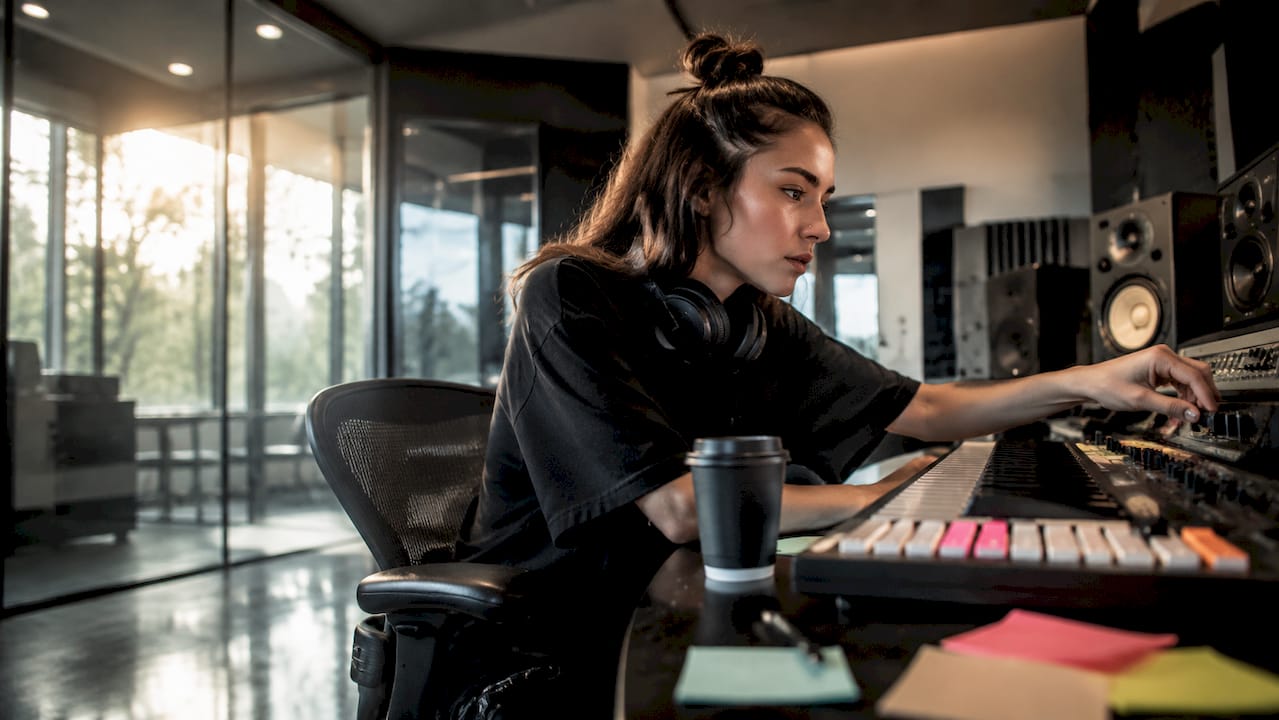
Choosing between a home studio and a commercial studio comes down to four variables: cost, acoustics, creative control, and the technical demands of your project. Home studios deliver affordability and schedule freedom, while commercial studios provide purpose-built acoustics, high-end gear, and experienced engineers. Neither option is universally superior. The most effective approach in 2026 is a hybrid workflow that assigns each environment to the tasks it handles best. Understanding the home studio vs commercial studio benefits side by side gives you the clarity to build that workflow intentionally.
1. Home studio vs commercial studio benefits: the core distinction
The fundamental difference between home and commercial studios is not equipment. It is the acoustic environment and the depth of technical infrastructure surrounding it. A commercial studio is engineered from the ground up to capture sound neutrally and accurately. A home studio is a flexible, low-cost creative space that depends heavily on how much acoustic treatment you invest in. Both can produce professional-quality results, but they require different strategies to get there.
Independent artists recording outside traditional facilities now command nearly half of recorded music revenue on an ownership basis, according to MIDiA Research 2024. That shift proves home production is no longer a compromise. It is a legitimate path, provided you understand where its limits sit.
2. What are the key benefits of home studios for creators?
Home studios have removed the two biggest barriers to music production: cost and scheduling. Over 60% of creators work from home primarily to gain autonomy over their schedules and reduce financial pressure from rental fees. That autonomy compounds over time. You can record at 2 a.m., restart a session mid-thought, and experiment without a clock running.
The technology case for home recording has also strengthened considerably. Audio interfaces from Focusrite and Universal Audio, microphones from Audio-Technica and Shure, and digital audio workstations like Ableton Live, Logic Pro, and Pro Tools now give independent creators access to tools that were commercially exclusive a decade ago. AI-assisted plugins for noise reduction, pitch correction, and room simulation have further closed the gap.
Home studios are the right fit for:
Beat production and electronic music
Solo vocal takes and voiceover work
Podcast recording and editing
Songwriting demos and pre-production
Mixing and post-production on well-treated projects
Pro Tip: Acoustic treatment is the most critical investment for a home studio, more impactful than any gear upgrade. Spend your first budget on bass traps, broadband absorbers, and diffusers before buying a new microphone or interface.
Streaming platform loudness normalization has also shifted the playing field. Well-mixed home productions now compete on par in digital loudness and dynamics with major-label releases, because platforms like Spotify and Apple Music apply consistent normalization standards across all uploads. The expensive analog mastering chains once exclusive to professional studios matter less than they did five years ago.
3. What commercial studio advantages justify their cost?
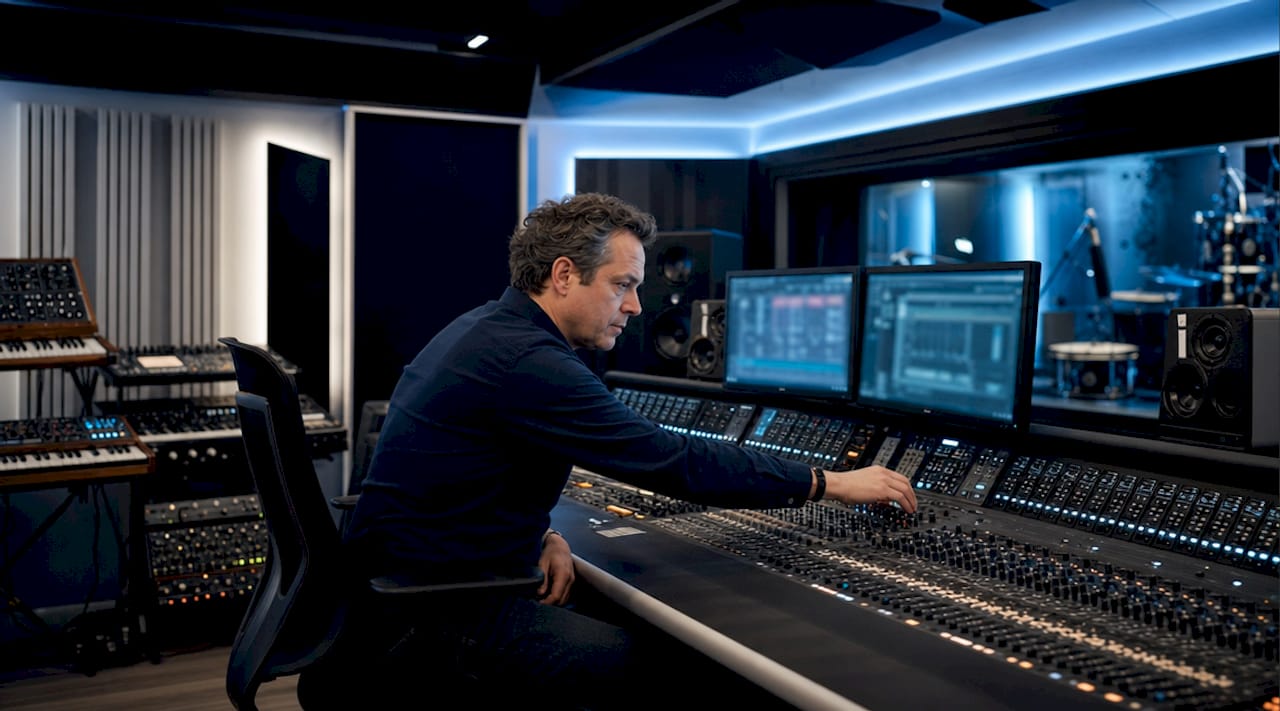
Commercial studios are not just rooms with better gear. They are controlled acoustic environments built to solve problems that no plugin can fix. Purpose-built recording rooms eliminate the low-frequency buildup, parallel wall reflections, and HVAC noise that plague most home setups. When you track a live drum kit, a string quartet, or a full band in a properly designed room, the recording captures the instrument accurately from the first take.
“Experienced engineers in commercial studios bring intuitive problem-solving and performance coaching that goes well beyond what current AI tools can replicate.” — Value of engineering expertise in pro studios
The advantages of booking a commercial studio include:
Access to analog consoles like SSL and Neve, vintage outboard gear, and specialized instruments like grand pianos and Hammond organs
Experienced engineers who guide mic placement, signal chain decisions, and performance direction
Isolation booths and live rooms designed for simultaneous multi-instrument tracking
Predictable technical environments that reduce the risk of session-derailing problems
Professional studios provide reliability and risk mitigation through controlled environments that prevent technical issues from derailing project budgets. That reliability has a real dollar value when you are paying session musicians, producers, or a full band by the day.
Workflow efficiency in commercial studios also reduces time and cost in ways that are easy to underestimate. Projects that stretch across multiple days due to technical troubleshooting at home can be completed in a single focused session with the right infrastructure and support in place.
4. How do cost and economics compare between home and commercial studios?
Home studio setup costs typically range from $500 to $3,000 initially, while professional studio rentals cost between $50 and $500 or more per hour in 2026. In major cities, the standard rate sits at $100 to $150 per hour. A home studio investment can be recouped after 10 to 20 comparable professional sessions, which means a creator recording two sessions per month breaks even within a year.
Scenario | Home studio | Commercial studio |
Initial investment | $500 to $3,000 | $0 upfront |
Ongoing cost | Minimal (software, consumables) | $50 to $500+ per hour |
Break-even point | 10 to 20 sessions | N/A |
Best for | High-volume, flexible production | Specific high-stakes sessions |
The economics shift further when you factor in subscription-based studio memberships. Subscription models offering unlimited studio access can be more cost-effective than paying hourly for high-volume users. Models like The Recording Club bundle Dolby Atmos mixing into membership fees, which would cost hundreds of dollars per session at standard hourly rates.
Pro Tip: Before investing in a home studio build-out or committing to a commercial studio contract, calculate your actual production volume. If you record fewer than two sessions per month, a flexible membership plan will likely cost less than building and maintaining a dedicated home setup.
5. What should creators consider when choosing between home and commercial studios?
The right studio choice depends on your project type, technical skill level, and how much you value engineering support versus creative independence. There is no single correct answer, but there are clear signals that point toward one environment over the other.
Use a home studio when:
You produce electronic music, beats, or primarily digital content
Your project is in the demo or pre-production phase
You record solo vocals, voiceover, or podcast content
You have invested in proper acoustic treatment and a reliable signal chain
Schedule flexibility and cost control are priorities
Use a commercial studio when:
You are tracking live drums, full bands, or acoustic instruments in a room
Your project requires a specific piece of vintage gear or a grand piano
You need an experienced engineer to guide the session
You are at the final mixing or mastering stage of a high-stakes release
You need a predictable, technically controlled environment
The hybrid approach is the most effective strategy for most independent creators in 2026. Use your home setup for songwriting, demoing, editing, and rough mixing. Book commercial time for live tracking and final mixing in a treated room. This division of labor captures the cost benefits of home recording while preserving the acoustic quality that commercial studios deliver for critical stages.
Factor | Home studio | Commercial studio |
Acoustics | Dependent on treatment investment | Purpose-built, neutral, controlled |
Cost structure | Fixed upfront, low ongoing | Per-hour or membership |
Schedule control | Complete flexibility | Booking required |
Engineering support | Self-directed or hired separately | Included with session |
Best project fit | Demos, beats, editing, podcasts | Live tracking, mixing, mastering |
Gear access | Consumer to prosumer range | High-end analog and vintage |
Key takeaways
The most cost-effective and creatively productive approach in 2026 combines home studio flexibility with targeted commercial studio sessions for high-stakes recording and mixing.
Point | Details |
Home studio economics | A $500 to $3,000 setup pays for itself after 10 to 20 professional sessions. |
Acoustic treatment first | Room treatment outperforms gear upgrades as the highest-impact home studio investment. |
Commercial studio strengths | Live tracking, vintage gear, and experienced engineers justify the per-hour cost for critical sessions. |
Hybrid workflow wins | Assign demos and editing to home setups; reserve commercial studios for tracking and final mixing. |
Streaming has leveled the field | Loudness normalization means well-mixed home productions compete directly with major-label releases. |
Why I think most creators are solving this problem backwards
Most independent artists I have spoken with approach the home vs. commercial studio question as a permanent, either-or decision. They either over-invest in home gear they rarely use at full capacity, or they avoid commercial studios entirely because the hourly rate feels prohibitive. Both instincts are understandable, and both are expensive mistakes.
The creators who get the most out of their production budgets treat the two environments as complementary tools, not competing options. They write and demo at home, where the creative pressure is low and the clock is not running. They book commercial time specifically for the moments where acoustic quality and engineering expertise will make a measurable difference in the final product. That discipline requires knowing your project well enough to identify those moments before you walk into a session.
AI tools have genuinely changed what is possible at home. Plugins from iZotope, Waves, and Accusonus handle noise reduction, room correction, and dynamic processing at a level that would have required a professional facility five years ago. But AI tools cannot replace properly treated rooms for acoustic quality and live ensemble recording. That boundary is real, and ignoring it costs creators money in re-recording and post-production fixes.
My honest recommendation: start with acoustic treatment at home, build your production skills in that environment, and use commercial studios surgically for the sessions where the room and the engineer will change the outcome. That combination is more affordable than most creators realize, especially with subscription-based studio access now available through platforms like Studiom8.
— Christopher
How Studiom8 makes the hybrid workflow affordable

The hybrid workflow is only practical if commercial studio time is accessible without committing to expensive hourly rates every session. Studiom8 solves that problem directly. The platform’s subscription plans give independent creators unlimited access to professional recording studios, rehearsal spaces, and production resources for a flat monthly fee. That model removes the per-hour pressure that makes commercial studios feel financially out of reach for most independent artists.
If you are building a hybrid production workflow, Studiom8 connects you with studios, engineers, and collaborators through one platform. Explore Studiom8’s membership options to find a plan that fits your production volume and creative goals.
FAQ
What is the main difference between home and commercial studios?
Commercial studios are purpose-built acoustic environments with high-end gear and experienced engineers. Home studios offer cost and schedule flexibility but depend heavily on acoustic treatment for quality results.
How much does a home studio cost compared to renting a commercial studio?
Home studio setups typically cost $500 to $3,000 upfront, while commercial studios charge $50 to $500 or more per hour. A home setup recoups its cost after roughly 10 to 20 equivalent professional sessions.
Can home studios produce professional-quality recordings?
Yes. With proper acoustic treatment and a reliable signal chain, home studios can produce recordings that compete with commercial releases, particularly for electronic music, vocals, and podcast content.
When should I book a commercial studio instead of recording at home?
Book commercial studio time for live band tracking, acoustic instrument recording, sessions requiring vintage gear, and final mixing or mastering where room acoustics and engineering expertise directly affect the outcome.
What is a hybrid studio workflow?
A hybrid workflow uses a home studio for songwriting, demos, and editing, then books commercial studio time for live tracking and final mixing. This approach captures the cost benefits of home recording while preserving professional acoustic quality for critical stages.
Recommended
Comments